
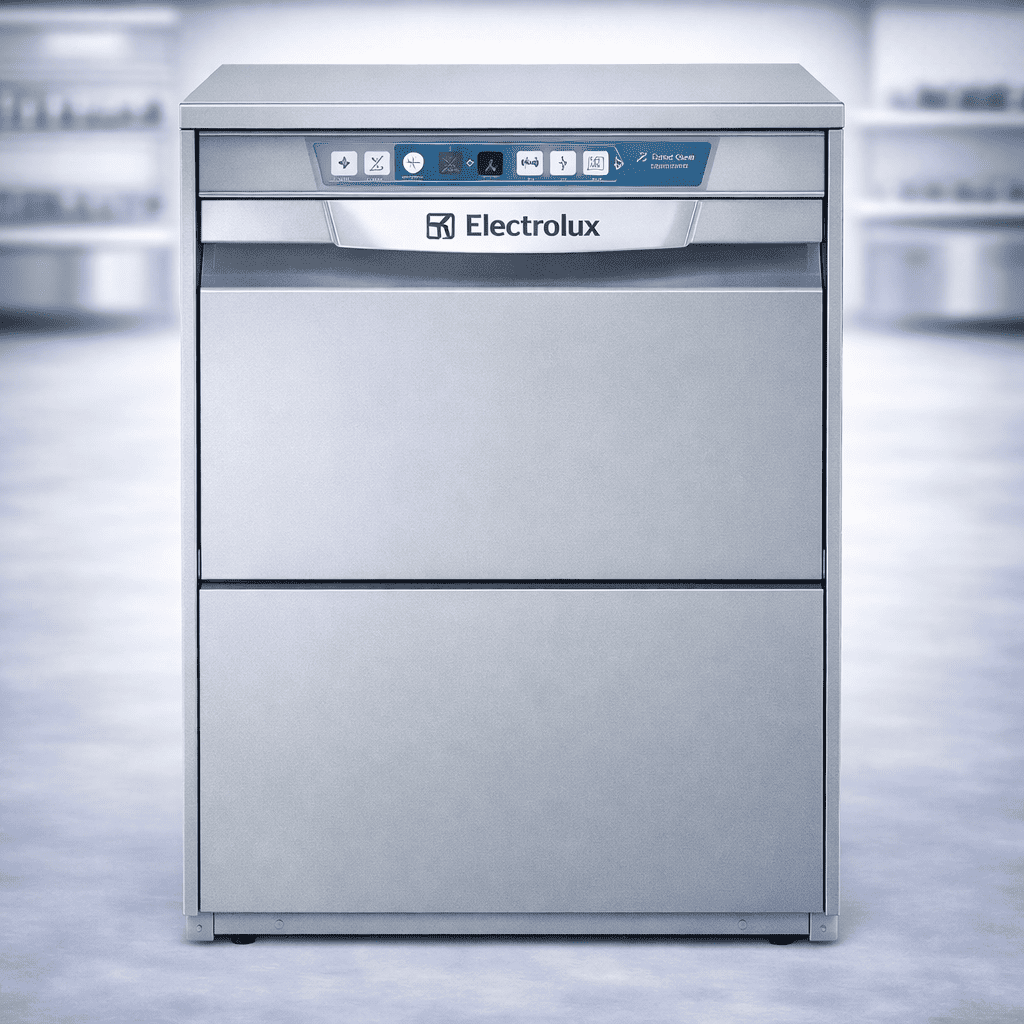
Description
Glass Washer
Introduction to Glass Washers
In the hospitality and foodservice industry, cleanliness is not just about appearances—it is about trust, hygiene, and customer satisfaction. Glassware, in particular, demands an impeccable shine. A streak, smudge, or spot on a glass can ruin the entire dining or drinking experience. This is where a Glass Washer becomes a game-changing piece of equipment.
A glass washer is a specialized cleaning machine designed to wash, rinse, and sanitize glasses to perfection. Unlike traditional dishwashers, these machines are engineered with delicate glassware in mind, ensuring that every piece—whether it’s a wine glass, champagne flute, cocktail glass, or tumbler—comes out crystal clear and sparkling. For bars, restaurants, hotels, and cafés, investing in a glass washer is not an expense but a necessity.
Why Every Business Needs a Glass Washer
Glassware is often the first thing a customer notices when served a drink. Even the most perfectly crafted cocktail loses appeal if the glass looks cloudy or stained. A glass washer ensures:
-
Hygienic Cleaning: High temperatures and sanitizing solutions eliminate bacteria and lipstick stains.
-
Time Efficiency: Cleans large volumes of glasses in a fraction of the time compared to manual washing.
-
Consistency: Every glass is washed to the same high standard.
-
Water and Energy Savings: Uses less water and detergent compared to hand washing.
-
Safety: Reduces breakages by eliminating rough scrubbing.
For businesses aiming for flawless service, a glass washer is no longer optional—it’s essential.
Key Features of a Professional Glass Washer
When evaluating glass washers, look for the following features:
-
Compact Design: Fits under the counter for space efficiency.
-
Fast Cycle Times: Wash cycles as short as 2–3 minutes.
-
Gentle Washing System: Protects delicate stemware.
-
Rinse Aid Dispensers: Ensures spot-free drying.
-
Durable Construction: Stainless steel interiors resist corrosion.
-
User-Friendly Controls: Simple operation for staff.
-
Eco-Friendly Modes: Reduce energy and water consumption.
Benefits of Using a Glass Washer
The advantages extend far beyond cleanliness. Businesses that use these machines enjoy:
-
Improved Hygiene Standards: Compliance with food safety regulations.
-
Enhanced Aesthetics: Shiny, crystal-clear glasses that elevate presentation.
-
Reduced Labor Costs: Frees staff from time-consuming hand washing.
-
Consistency in Service: Every customer receives the same level of quality.
-
Increased Efficiency: Handles peak service hours with ease.
Applications of Washers in Different Settings
Glass washers are versatile and can be used across multiple industries:
-
Bars & Pubs: High turnover of pint glasses, shot glasses, and cocktail glasses.
-
Hotels & Restaurants: Large quantities of fine dining glassware.
-
Cafés & Juice Shops: Quick cleaning of smoothie jars, tumblers, and mugs.
-
Event Catering: On-site cleaning for weddings, parties, and conferences.
-
Airports & Lounges: Rapid turnover of glasses for thousands of passengers daily.
How Washers Work
Though compact, the technology inside is impressive. Glass washers function in the following stages:
-
Pre-Wash: Removal of surface debris.
-
Main Wash: Hot water and detergent scrub away stains.
-
Rinse Cycle: High-pressure rinse removes residue.
-
Sanitization: Heat or chemicals eliminate germs.
-
Drying: Rinse aids and heat leave glasses spotless and streak-free.
Comparing Washers with Traditional Dishwashers
While both serve cleaning purposes, their roles differ:
-
Glass Washers: Specialized for fragile, delicate items. Quick cycles, gentle cleaning, and spotless finishes.
-
Dishwashers: Better suited for plates, cutlery, and heavier kitchenware.
For establishments where glassware presentation matters, a dedicated glass washer is irreplaceable.
Choosing the Right Washer
When selecting the right model, consider:
-
Volume of Glassware: Estimate glasses used daily.
-
Space Availability: Compact under-counter or larger freestanding models.
-
Power Supply: Electric models vary in energy efficiency.
-
Ease of Maintenance: Machines with removable racks and filters are simpler to maintain.
-
Budget: Factor in long-term savings on labor, water, and detergents.
Maintenance and Cleaning Tips
Proper care maximizes the life of your glass washer:
-
Daily Rinse: Flush the machine at the end of each shift.
-
Clean Filters: Prevent clogging by removing debris.
-
Descale Regularly: Use descaling agents to avoid lime buildup.
-
Check Rinse Aid: Keep dispensers filled for spotless finishes.
-
Inspect Spray Arms: Remove blockages for efficient performance.
Noise Reduction and Energy Efficiency
Modern glass washers are designed with user and customer comfort in mind. Many include:
-
Low-Noise Motors: Reduce disturbance in customer-facing environments.
-
Insulated Panels: Minimize vibration and sound.
-
Eco-Friendly Modes: Lower energy consumption without reducing performance.
The Role of Washers in Customer Experience
Serving drinks in pristine glasses enhances the overall customer journey. Imagine being handed a sparkling wine glass at a fine-dining restaurant—it sets the tone for the meal. A glass washer ensures this standard is met consistently, strengthening brand reputation.
Innovations in Washer Technology
The industry is constantly evolving, with advancements such as:
-
Touchscreen Controls: Easy operation with digital displays.
-
Self-Cleaning Cycles: Automatic cleaning at the end of shifts.
-
Water Recycling: Reusing rinse water for sustainability.
-
Smart Sensors: Detect load size and adjust cycles automatically.
These innovations make glass washers more efficient and reliable than ever.
Safety Considerations
Safety is critical in commercial kitchens and bars. Glass washers help prevent:
-
Injuries: Staff avoid cuts from handling broken glass.
-
Slips & Spills: Reduced risk of water splashing during manual washing.
-
Chemical Burns: Automatic detergent and rinse aid dispensers reduce direct contact.
Sustainability in Washer Design
Sustainability is not just a trend—it’s a responsibility. Many modern models feature:
-
Reduced Water Usage: Efficient spray arms use less water per cycle.
-
Energy Savings: Short cycles consume less electricity.
-
Eco Detergents: Compatibility with biodegradable cleaning agents.
By investing in eco-friendly machines, businesses lower their operational costs while contributing to a greener planet.
Glass Washer vs. Manual Washing
Manual washing is labor-intensive, inconsistent, and risky for fragile items. In contrast:
-
Machine Washing: Faster, more hygienic, and safer.
-
Consistency: Every glass is spotless and identical.
-
Efficiency: Saves water and manpower.
For high-volume establishments, manual washing is simply impractical.
Future of Glass Washers
The next generation of machines will likely include:
-
AI Integration: Automatically selecting the best cycle for glass type.
-
IoT Connectivity: Remote monitoring and service alerts.
-
Zero-Waste Systems: Advanced recycling of water and detergent.
Such innovations will further redefine efficiency in foodservice.
Conclusion
A Glass Washer is not just a piece of equipment—it’s a guarantee of hygiene, efficiency, and superior customer service. It ensures every glass shines like new, elevating the drinking experience across bars, cafés, restaurants, and hotels.
With advanced features, energy efficiency, and eco-friendly design, modern glass washers are built to meet the demands of today’s fast-paced hospitality world. For any business serious about presentation, hygiene, and customer satisfaction, investing in a glass washer is a step toward excellence.
In an industry where every detail counts, from the aroma of a cocktail to the sparkle of the glass it’s served in, the glass washer stands as an essential tool—blending technology with service perfection.

Reviews
There are no reviews yet.