
Description
Cold Room – Advanced Refrigeration for Efficient Storage
In today’s commercial, industrial, and hospitality sectors, proper storage of perishable goods is crucial to ensure quality, safety, and longevity. A Cold Room provides a controlled temperature environment for storing products like fruits, vegetables, dairy, meat, seafood, pharmaceuticals, and beverages. By maintaining precise temperatures and humidity levels, cold rooms prevent spoilage, retain freshness, and ensure compliance with health standards.
With the growing demand for efficient refrigeration solutions, Rooms have become essential for businesses in food processing, supermarkets, hotels, pharmaceutical industries, and more. Investing in a cold room ensures long-term benefits, reduced wastage, and enhanced productivity.
What is a Cold Room?
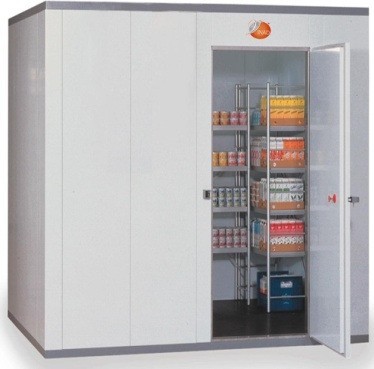
A Room is a walk-in or modular refrigerated storage space designed to maintain specific low temperatures for storing perishable goods. Unlike standard refrigerators, cold rooms are engineered for large-scale storage and high-volume operations. They can be tailored to meet the specific needs of any industry, ensuring that products remain fresh and safe for extended periods.
Cold rooms are built with insulated panels, high-efficiency compressors, and advanced cooling systems. They provide a stable environment that prevents bacterial growth, prolongs shelf life, and enhances the overall quality of stored products.
Key Features of a Room
1. High-Performance Cooling System
Equipped with advanced compressors and efficient condensers, rooms maintain uniform temperature distribution, ensuring that all products are stored at optimal conditions.
2. Modular Design and Flexibility
Cold rooms can be customized in size, layout, and configuration, allowing businesses to design storage spaces according to their requirements.
3. Energy-Efficient Operation
Modern rooms use insulated panels, smart compressors, and energy-efficient refrigeration systems, minimizing electricity consumption while maximizing performance.
4. Durable Construction
Built with corrosion-resistant materials such as stainless steel and high-density insulation panels, cold rooms are designed for long-term use under continuous operation.
5. Digital Control Systems
Temperature and humidity control is automated with digital monitoring systems, allowing precise adjustments and real-time alerts for any deviations.
6. Hygienic Storage Environment
Cold rooms maintain strict hygiene standards, reducing contamination risks and ensuring food safety compliance for businesses.
7. Adjustable Shelving and Racking
Flexible shelving systems allow storage optimization, enabling businesses to store products efficiently and access them easily.
8. Safety Features
Most cold rooms are equipped with emergency alarms, internal lighting, and safety exits to ensure the security of both the stored products and personnel.
Types of Cold Rooms
Walk-In Rooms
These are large rooms designed for high-volume storage, allowing personnel to enter and manage products directly. Ideal for supermarkets, hotels, and warehouses.
Modular Rooms
Constructed using prefabricated insulated panels, modular cold rooms are versatile and can be expanded or relocated as needed.
Blast Freezers
Designed for rapid cooling of products, blast freezer cold rooms reduce the temperature of fresh goods quickly, preserving texture, flavor, and nutritional value.
Pharmaceutical Rooms
Specialized cold rooms maintain precise temperatures for storing vaccines, medicines, and other sensitive pharmaceutical products.
Portable Rooms
Compact and mobile cold storage solutions that can be transported to temporary locations or events where refrigeration is required.
Applications of Rooms
Food and Beverage Industry
Cold rooms are essential for storing perishable goods like dairy, meat, seafood, fruits, and vegetables, ensuring freshness and quality from farm to table.
Restaurants and Hotels
Hotels, resorts, and fine-dining restaurants rely on cold rooms to store ingredients, prepared foods, and beverages in optimal conditions, enhancing service efficiency.
Supermarkets and Grocery Stores
Large retail stores use cold rooms to store inventory, manage stock rotation, and maintain consistent quality for customers.
Pharmaceutical and Healthcare Industry
Rooms maintain controlled temperatures for medicines, vaccines, and other sensitive healthcare products, preventing spoilage and ensuring compliance with health regulations.
Industrial and Manufacturing Units
Rooms are used for storing temperature-sensitive raw materials, chemical products, and finished goods requiring refrigeration.
Event Catering Services
Portable rooms allow caterers to maintain food quality during large events, banquets, and outdoor functions.
Benefits of Installing a Room
Preserves Product Freshness
By maintaining a controlled environment, cold rooms extend the shelf life of perishable products while retaining their quality, taste, and nutritional value.
Reduces Wastage
Efficient storage reduces spoilage, saving businesses from losses and improving overall profitability.
Enhances Operational Efficiency
Rooms provide organized storage, making it easier for staff to manage inventory and access products quickly.
Energy-Efficient Performance
Modern rooms are designed to consume less electricity while maintaining high cooling efficiency, reducing operational costs.
Compliance with Food Safety Standards
Rooms ensure that storage conditions meet industry regulations, reducing the risk of contamination and improving customer trust.
Scalability for Business Growth
Rooms can be customized and expanded to match business growth, making them a long-term investment.
Factors to Consider Before Choosing a Room
Required Storage Capacity
Determine the volume of products to be stored daily to select the right room size.
Temperature Requirements
Different products require different storage temperatures; for example, fruits and vegetables require slightly higher temperatures than meat or pharmaceuticals.
Type of Cold Room
Choose between walk-in, modular, blast freezer, or pharmaceutical cold rooms based on your business needs.
Energy Efficiency
Select energy-efficient models with modern compressors and insulation to minimize operating costs.
Maintenance and After-Sales Support
Ensure the room supplier provides reliable maintenance services and spare parts for long-term operation.
Hygienic Design
Choose rooms with stainless steel interiors and easy-to-clean surfaces to maintain hygiene.
Maintenance Tips for Rooms
Regular Cleaning
Clean the interior and exterior surfaces frequently to prevent bacterial growth and maintain hygiene.
Temperature Monitoring
Regularly check temperature and humidity levels to ensure optimal storage conditions.
Inspect Cooling Components
Monitor compressors, condensers, and evaporators to detect any faults early and maintain efficiency.
Proper Loading
Avoid overloading shelves, as this can restrict airflow and affect cooling performance.
Scheduled Professional Servicing
Professional maintenance ensures that all components operate efficiently and prolongs the lifespan of the cold room.
Innovations in Room Technology
Smart Monitoring Systems
Integration of IoT and digital sensors allows real-time monitoring, alerts, and remote control of cold room conditions.
Eco-Friendly Refrigerants
Modern cold rooms use environmentally friendly refrigerants to reduce carbon footprint and comply with sustainability regulations.
Energy Optimization
Advanced insulation materials and compressor systems reduce energy consumption while maintaining consistent cooling.
Modular Expandability
Cold rooms are increasingly designed for modular expansion, allowing businesses to scale storage capacity without complete renovation.
Advanced Automation
Temperature and humidity are controlled automatically, ensuring precise conditions for sensitive products like pharmaceuticals or dairy.
Advantages of Rooms Over Traditional Refrigerators
-
Larger storage capacity for commercial and industrial needs
-
Customizable design for specific storage requirements
-
High durability and long lifespan under continuous use
-
Advanced digital controls for precise temperature and humidity management
-
Energy efficiency and reduced operating costs
-
Hygienic design with easy cleaning and maintenance
Choosing the Right Room Supplier
When selecting a supplier for your cold room, consider:
-
Experience and Reputation: Suppliers with a proven track record provide reliable products and service.
-
Customization Options: Ability to design cold rooms to meet specific temperature and storage requirements.
-
Installation Support: Professional installation ensures optimal performance from day one.
-
After-Sales Service: Reliable maintenance, spare parts availability, and support for troubleshooting issues.
-
Compliance with Standards: Ensure the supplier follows food safety and industrial refrigeration standards.
Conclusion
A Cold Room is not just a storage unit—it is a strategic investment for businesses that rely on the freshness, safety, and quality of their products. From restaurants, supermarkets, and hotels to pharmaceuticals and industrial units, rooms provide reliable refrigeration, extend shelf life, and enhance operational efficiency.
By choosing the right cold room, businesses can reduce wastage, ensure compliance with hygiene standards, and meet the growing demand for fresh, high-quality products. With advanced technology, energy efficiency, and scalable designs, a room is essential for any business aiming for long-term success.
Investing in a Cold Room ensures that every product stored remains in optimal condition, providing peace of mind, profitability, and customer satisfaction. Whether you require a walk-in unit, a modular setup, or a specialized pharmaceutical cold room, modern cold rooms offer versatile, reliable, and sustainable solutions to meet your needs.


Reviews
There are no reviews yet.