The Ultimate Guide to Choosing the Right Refrigeration Equipment for Your Restaurant
Introduction –
In every commercial kitchen, refrigeration equipment plays a crucial role in maintaining food quality, safety, and operational efficiency. For restaurant owners, chefs, and catering managers, choosing the right refrigeration system is not just about keeping food cold—it’s about ensuring smooth kitchen operations, reducing wastage, and maximizing energy efficiency. With the wide range of commercial refrigeration equipment available today, making an informed decision is critical. This guide will walk you through everything you need to know when selecting refrigeration solutions for your restaurant.
Why Refrigeration Equipment is Essential in Commercial Kitchens
Refrigeration is the backbone of any food business. Proper storage of ingredients at the right temperature prevents bacterial growth, extends shelf life, and ensures compliance with food safety regulations. Without reliable refrigeration, restaurants risk food spoilage, loss of inventory, and potential health hazards for customers. Beyond safety, high-quality refrigeration equipment improves workflow by providing easy access to ingredients, enabling quick preparation, and reducing kitchen downtime.
Types of Commercial Refrigeration Equipment
Restaurants and commercial kitchens have diverse refrigeration needs. Understanding the types of equipment can help you choose the most suitable options:
1. Upright Refrigerators and Freezers
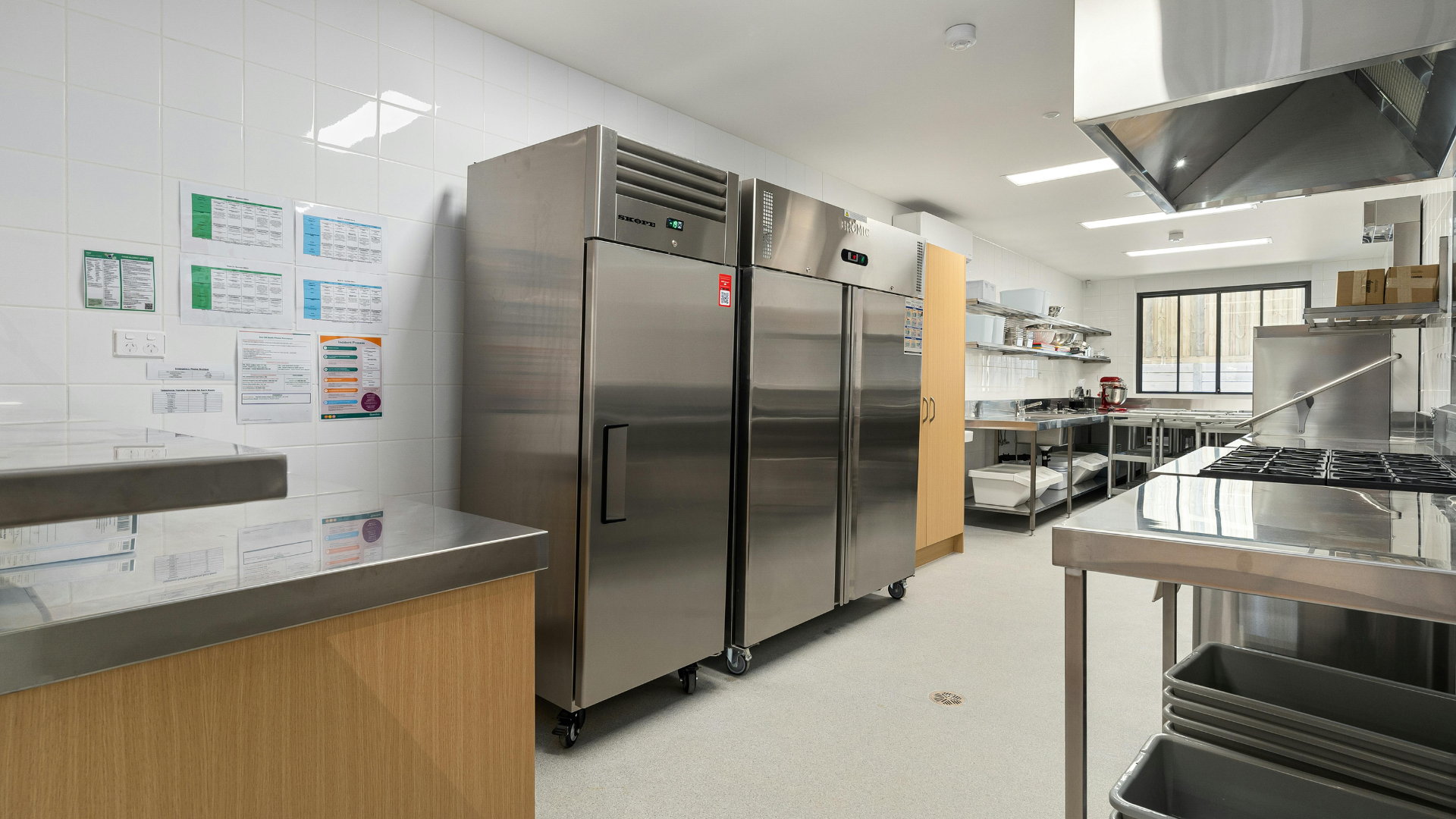
Upright units are vertical, space-saving appliances ideal for storing bulk ingredients. They are available in different sizes and temperatures, catering to both perishable foods and frozen items.
2. Under-Counter Refrigerators
Designed to fit beneath countertops, these compact units allow chefs to access frequently used ingredients quickly. They are perfect for smaller kitchens or stations with high ingredient turnover.
3. Walk-In Coolers and Freezers
For restaurants with large storage requirements, walk-in coolers provide ample space for fresh produce, dairy, and frozen goods. Walk-in freezers can store large volumes of frozen foods efficiently.
4. Blast Chillers and Shock Freezers
Blast chillers rapidly reduce the temperature of cooked foods, preventing bacterial growth and preserving flavor. Shock freezers serve a similar purpose for frozen items, ideal for catering businesses that prepare food in bulk.
5. Display Refrigerators
Used in cafes, bakeries, and fast-food outlets, display units showcase beverages, desserts, and ready-to-eat meals while keeping them at safe temperatures.
6. Specialized Refrigeration Units
Some kitchens require wine coolers, meat lockers, or beverage refrigerators to maintain specific temperature and humidity levels.
Key Factors to Consider When Choosing Refrigeration Equipment
Selecting the right refrigeration system goes beyond brand preference or price. Consider the following factors:
1. Capacity
Estimate your storage needs based on menu size, daily turnover, and delivery schedules. Oversized units waste energy, while undersized ones create storage challenges.
2. Energy Efficiency
Energy-efficient refrigeration reduces electricity bills and supports sustainable practices. Look for models with high energy ratings and LED lighting.
3. Durability and Build Quality
Commercial kitchens demand equipment that can withstand heavy usage. Stainless steel construction and quality components ensure longevity and resistance to wear and tear.
4. Temperature Control
Accurate temperature settings are essential for food safety. Digital controls and monitoring systems allow precise regulation.
5. Maintenance and Serviceability
Choose equipment that is easy to clean and maintain. Accessible parts, removable shelves, and professional service support contribute to long-term reliability.
6. Space Requirements
Measure your kitchen space carefully. Consider door openings, ventilation, and workflow to ensure the equipment fits seamlessly.
7. Budget
While high-end models offer advanced features, weigh cost against value. Investing in durable, energy-efficient equipment pays off over time.
Benefits of Using High-Quality Refrigeration Equipment
Investing in reliable refrigeration systems brings multiple advantages:
Food Safety and Hygiene: Maintains proper temperatures, reducing the risk of bacterial contamination.
Extended Shelf Life: Preserves the freshness of ingredients, minimizing wastage.
Operational Efficiency: Streamlines workflow by organizing ingredients logically.
Cost Savings: Energy-efficient units reduce electricity costs, and durable equipment reduces replacement frequency.
Regulatory Compliance: Meets food safety standards, preventing fines and reputational damage.
Energy-Efficient and Eco-Friendly Refrigeration Options
Modern commercial refrigeration focuses on energy conservation and environmental responsibility. Features like inverter compressors, LED lighting, and advanced insulation lower energy consumption. Choosing eco-friendly refrigerants like R290 or R600a also reduces the kitchen’s carbon footprint. Investing in energy-efficient units not only saves money but also demonstrates a restaurant’s commitment to sustainability.
Common Mistakes to Avoid When Purchasing Refrigeration Equipment
Even experienced restaurateurs can make errors when buying refrigeration units. Avoid these pitfalls:
Overbuying or Underbuying: Assess your storage needs accurately to avoid wasted space or insufficient capacity.
Neglecting Maintenance: Regular cleaning and service extend the life of the equipment.
Ignoring Energy Ratings: Low-quality or energy-inefficient units increase operational costs.
Neglecting Kitchen Layout: Poor placement can disrupt workflow and reduce accessibility.
Why Choose a Trusted Supplier
Selecting a reliable supplier is as important as choosing the right equipment. Trusted suppliers offer:
Expert guidance on product selection based on kitchen needs.
Installation support and maintenance services.
Warranty and after-sales support for peace of mind.
High-quality, certified refrigeration equipment that meets industry standards.
Partnering with a reputable supplier ensures long-term efficiency, reliability, and safety in your commercial kitchen.
Conclusion –
Choosing the right refrigeration equipment is a critical decision for any restaurant or commercial kitchen. From upright refrigerators to blast chillers and walk-in coolers, the right selection impacts food safety, operational efficiency, and energy costs. By considering capacity, energy efficiency, durability, and supplier reliability, you can make informed decisions that enhance kitchen performance and protect your business investment. Invest wisely in your refrigeration solutions, and your restaurant will benefit from fresher ingredients, safer food, and a more efficient kitchen workflow.