
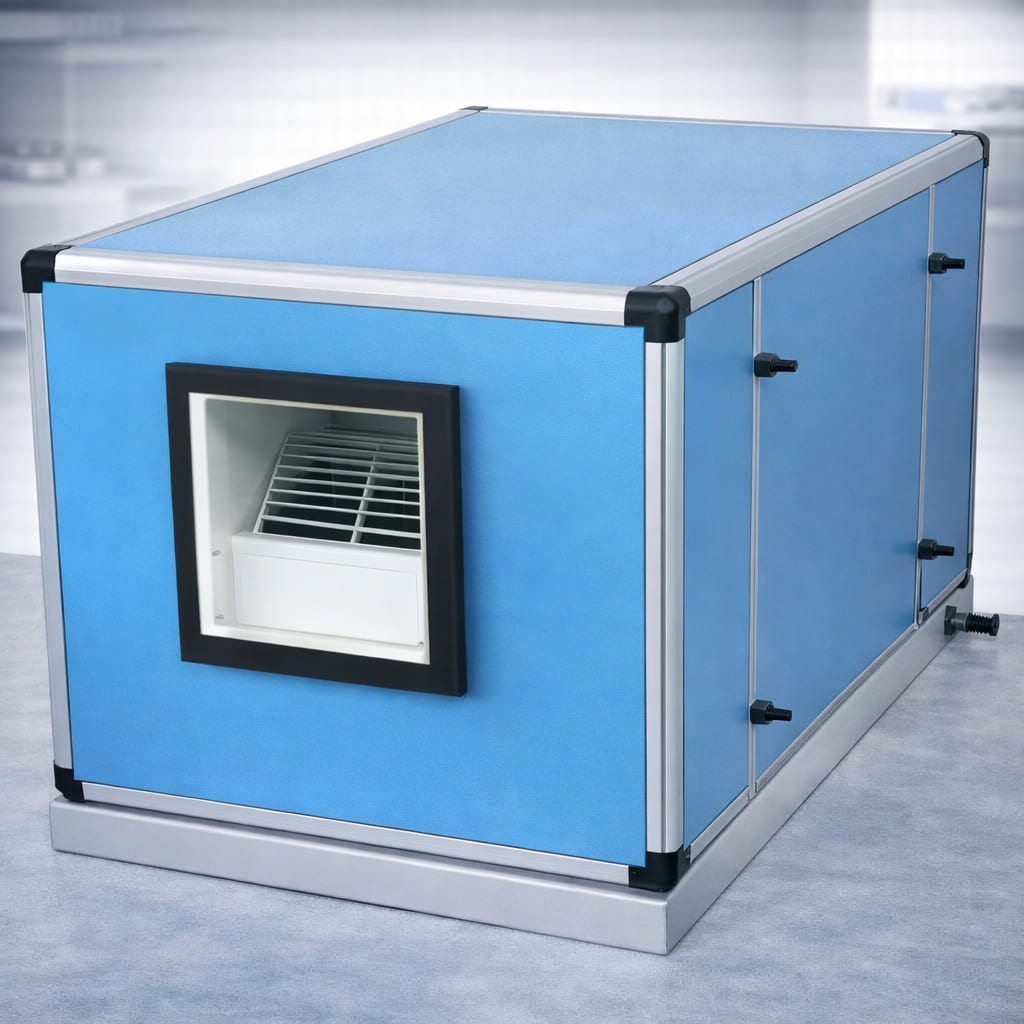
Description
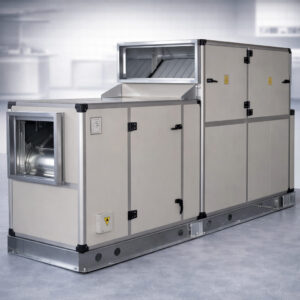
Fresh Air System – Breathe Clean, Healthy, and Pure Air Indoors
Introduction to Fresh Air System
Indoor spaces today are more airtight than ever, with sealed windows and advanced insulation. While these features improve energy efficiency, they also trap pollutants, allergens, and carbon dioxide inside. This makes indoor air up to five times more polluted than outdoor air. A Fresh Air System is designed to solve this challenge by ensuring a constant supply of clean, oxygen-rich air indoors. By balancing ventilation, filtration, and circulation, it creates a healthier, safer, and more comfortable environment for living and working.
Why Indoor Air Quality Matters
Air quality directly impacts health, productivity, and overall well-being. Poor ventilation can lead to fatigue, headaches, allergies, respiratory problems, and even reduced cognitive performance. For businesses, it lowers productivity and increases absenteeism. For homes, it compromises comfort and health. A Fresh Air System works as the frontline defense, ensuring the air you breathe is free from contaminants, dust, and harmful gases.
Core Components of a Fresh Air System
To understand its effectiveness, let’s break down the essential elements that make the system function:
-
Air Inlet: Draws in outdoor air.
-
Filters: Remove dust, pollen, allergens, and pollutants.
-
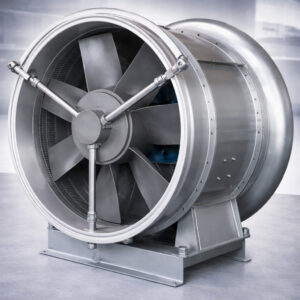
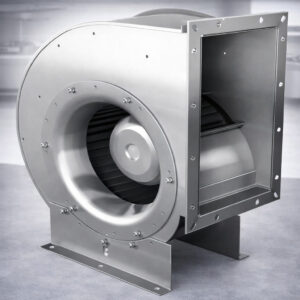
Fans & Motors: Ensure strong, continuous airflow.
-
Heat Exchangers (in advanced models): Maintain indoor temperature balance while exchanging air.
-
Ducting Network: Distributes fresh air evenly across rooms.
-
Control Systems: Allow users to regulate airflow, speed, and modes.
Each part plays a critical role in ensuring the indoor environment stays healthy, clean, and fresh.
Benefits of a Fresh Air System
Installing a Fresh Air System provides numerous advantages for both residential and commercial spaces:
-
Continuous Oxygen Supply – Prevents suffocation and ensures constant airflow.
-
Pollutant-Free Living – Filters harmful particles, improving respiratory health.
-
Odor Control – Eliminates unpleasant indoor odors caused by cooking, smoking, or chemicals.
-
Humidity Regulation – Balances indoor moisture to prevent mold growth.
-
Energy Efficiency – Advanced models with heat recovery save energy while ventilating.
-
Enhanced Comfort – Creates a cool, fresh, and comfortable atmosphere indoors.
Applications in Different Environments
The adaptability of a fresh air solution makes it essential in multiple spaces:
-
Homes & Apartments: Keeps families healthy by reducing indoor pollutants.
-
Hospitals & Clinics: Ensures sterile, clean air for patients and medical staff.
-
Schools & Offices: Improves concentration and reduces absenteeism.
-
Factories & Industries: Protects workers from hazardous gases and dust.
-
Hospitality Sector: Enhances guest experience in hotels and restaurants.
Safety and Health at the Core
When indoor air is stale, it carries allergens, microbes, and volatile organic compounds (VOCs). These can silently harm health over time. A Fresh Air System ensures a controlled, filtered, and oxygen-rich supply, which reduces risks of asthma, allergies, and respiratory infections. It is particularly vital for children, the elderly, and individuals with pre-existing conditions.
Advanced Technology in Fresh Air Systems
Modern systems go beyond simple ventilation. They include:
-
HEPA Filters – Capture up to 99.97% of fine particles.
-
UV Sterilization Units – Kill airborne bacteria and viruses.
-
Smart Sensors – Detect CO₂ levels, humidity, and pollutants to auto-adjust settings.
-
Heat Recovery Ventilation (HRV): Transfers heat between outgoing and incoming air to save energy.
-
App & Remote Controls: Allow users to customize air quality at their fingertips.
These innovations make fresh air systems smarter, more energy-efficient, and more reliable than ever before.
Role in Sustainable Living
Sustainability is becoming a priority for households and businesses. By improving air circulation naturally, reducing reliance on air purifiers, and optimizing energy consumption, fresh air solutions contribute to green living. In workplaces, this not only boosts health but also aligns with corporate sustainability goals.
Importance in Healthcare Facilities
Hospitals and clinics cannot afford any compromise in air quality. A Fresh Air System ensures sterile, pathogen-free airflow in operation theaters, ICUs, and patient wards. It reduces cross-contamination, supports infection control, and safeguards both staff and patients. For healthcare environments, these systems are indispensable.
Maintenance and Longevity
For consistent performance, regular maintenance is key:
-
Filter Replacement: Dust and pollutants clog filters over time, so timely replacement ensures efficiency.
-
Duct Cleaning: Keeps airflow unrestricted.
-
System Inspections: Professional checks help identify and fix issues before they escalate.
-
Fan & Motor Servicing: Ensures powerful, noise-free airflow.
With proper care, a fresh air system can last for many years, providing unmatched indoor air quality.
Standards and Compliance
Reputable systems are designed in compliance with global ventilation and safety standards such as ASHRAE (American Society of Heating, Refrigerating, and Air-Conditioning Engineers). These certifications ensure the system delivers optimal performance while safeguarding users.
Choosing the Right Fresh Air System
Selecting the right system depends on:
-
Space Size & Layout – Determines ducting and airflow requirements.
-
Type of Application – Residential, commercial, or industrial use.
-
Filtration Needs – Basic dust removal vs. advanced microbial sterilization.
-
Budget & Energy Considerations – Balancing cost-effectiveness with efficiency.
-
After-Sales Service – Ensuring easy access to parts and professional support.
Working with an experienced supplier guarantees the system is customized for your unique needs.
Future of Fresh Air Solutions
The future will see even smarter systems with AI-powered monitoring, IoT-based controls, and self-cleaning filters. These will not only make indoor air fresher but also align with smart building technologies, where automation ensures maximum comfort with minimum energy use.
Conclusion
A Fresh Air System is not just a luxury but a necessity in modern living and working spaces. It safeguards health, enhances comfort, and boosts efficiency by ensuring a steady flow of clean, oxygen-rich air indoors. Whether in homes, offices, hospitals, or factories, it acts as a silent protector, improving the quality of life. With advanced technology, sustainability features, and reliable performance, investing in a fresh air solution is one of the smartest decisions for a healthier future.
Reviews
There are no reviews yet.