
Description
Exhaust Hood With SS Filter – Powerful Ventilation for Cleaner and Safer Environments
Introduction to Exhaust Hood With SS Filter
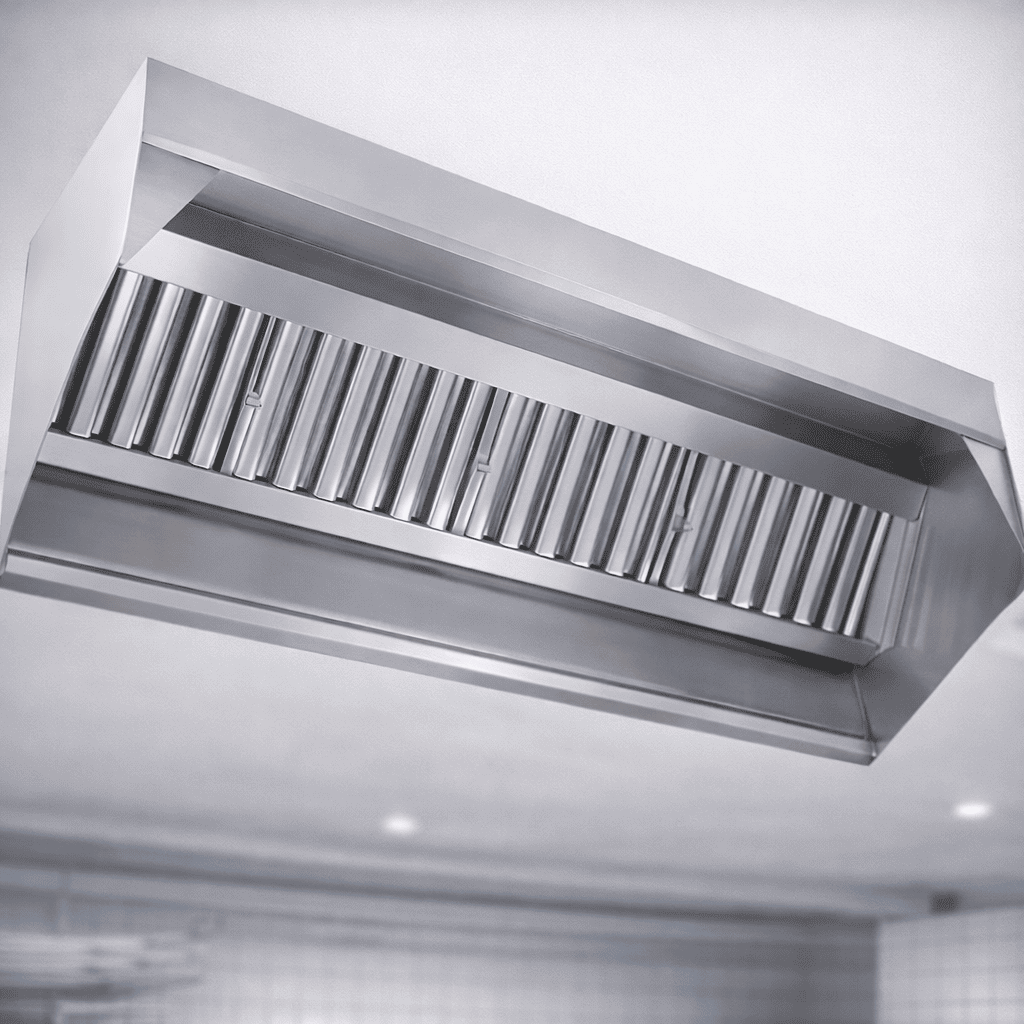
Modern kitchens, industrial workspaces, and commercial establishments generate heat, smoke, and airborne grease during operations. Without proper ventilation, these pollutants can accumulate, leading to health risks, discomfort, and even fire hazards. An Exhaust Hood With SS Filter is the ideal solution to combat these issues. Designed with advanced engineering and durable stainless steel filtration, it ensures clean airflow, removes harmful particles, and maintains a safe, healthy atmosphere indoors.
Why Ventilation Matters
Indoor air quality is a critical factor in both commercial kitchens and industrial settings. Heat, grease vapors, fumes, and smoke not only create discomfort but can also cause long-term respiratory problems. Moreover, in kitchens, greasy residues accumulate on surfaces, creating hygiene and fire hazards. An exhaust hood system ensures these contaminants are captured and filtered, keeping the environment fresh and secure.
How an Exhaust Hood With SS Filter Works
The process is simple yet highly efficient. The hood is strategically placed above stoves, ovens, or heat-generating equipment. As smoke, fumes, and airborne particles rise, the hood captures them and channels them through its SS (Stainless Steel) filter. The filter traps grease, dust, and impurities, while the cleaned air is expelled outdoors or recirculated after further purification. This powerful mechanism ensures uninterrupted performance in demanding environments.
Key Features of Exhaust Hood With SS Filter
Several features make these hoods stand out as a preferred choice:
-
Stainless Steel Filters: Highly durable, rust-resistant, and easy to clean.
-
Powerful Suction Capacity: Efficiently removes smoke, heat, and odors.
-
Sturdy Construction: Built to withstand long hours of operation.
-
Low Noise Operation: Ensures a comfortable working environment.
-
Easy Maintenance: Filters can be washed and reused, reducing operating costs.
-
Customizable Sizes: Available in different dimensions to suit various setups.
Advantages of Using an Exhaust Hood With SS Filter
Installing this system brings multiple benefits:
-
Cleaner Air Quality – Removes pollutants for healthier indoor air.
-
Enhanced Safety – Minimizes fire risks by trapping grease and flammable particles.
-
Durability – Stainless steel filters ensure long service life.
-
Cost-Effectiveness – Reusable filters reduce replacement expenses.
-
Improved Comfort – Reduces heat build-up in kitchens and work areas.
-
Compliance with Safety Standards – Meets hygiene and ventilation guidelines.
Applications Across Different Environments
An Exhaust Hood With SS Filter is versatile and widely used in:
-
Commercial Kitchens: Restaurants, hotels, cafeterias, and catering units.
-
Industrial Workshops: Removes fumes from welding, cutting, and metal processing.
-
Food Processing Units: Controls odors and airborne grease.
-
Pharmaceutical Plants: Helps maintain sterile and contaminant-free environments.
-
Residential Kitchens: Provides professional-grade ventilation at home.
Importance of Stainless Steel Filters
The stainless steel filter is the core of this system. Unlike fabric or aluminum filters, SS filters are stronger, resistant to rust, and easier to maintain. They trap grease and dust efficiently, and with simple washing, they can be reused for years. This makes them a sustainable and economical choice for long-term usage.
Role in Safety and Hygiene
Safety is paramount in kitchens and industries. Without an exhaust hood, grease and smoke can accumulate, leading to dangerous working conditions. The hood not only removes harmful particles but also maintains hygiene by preventing sticky residues on walls, ceilings, and equipment. This improves both safety and cleanliness standards.
Energy Efficiency and Sustainability
Modern exhaust hoods are designed with energy efficiency in mind. They consume less power while delivering powerful suction. The reusable SS filters also reduce waste, aligning with sustainable practices. For businesses, this translates to lower operational costs and a greener footprint.
Advanced Designs and Technology
New-generation exhaust hoods incorporate smart features:
-
LED Lighting: Improves visibility during cooking or operations.
-
Auto-Clean Mechanisms: Heat or water-based cleaning systems for filters.
-
Variable Speed Fans: Adjustable suction levels for different needs.
-
Noise-Reduction Technology: Quieter performance in busy environments.
-
Smart Controls: Remote or app-based monitoring of airflow and filter condition.
Maintenance and Cleaning
To ensure optimal performance, regular cleaning is essential. Fortunately, SS filters are easy to maintain:
-
Remove and wash filters with warm water and mild detergent.
-
Clean the hood’s interior and exterior surfaces to prevent grease build-up.
-
Inspect fan motors and ducts for blockages.
-
Schedule professional servicing periodically for long-term reliability.
With proper care, the system delivers consistent performance for years.
Compliance with Standards
Exhaust hoods are often mandatory in commercial kitchens as per fire and safety regulations. Models with SS filters are built to meet international ventilation and hygiene standards. Compliance ensures safety during inspections and creates a healthier workspace.
Choosing the Right Exhaust Hood With SS Filter
When selecting the right model, consider:
-
Kitchen/Workspace Size – Larger areas require higher suction capacity.
-
Cooking/Operation Intensity – Heavy frying or industrial work demands more powerful hoods.
-
Installation Space – Wall-mounted, island, or under-cabinet designs.
-
Airflow Requirements – Based on volume of smoke and heat generated.
-
Budget and Features – Balance between affordability and advanced features.
A professional supplier can provide customized solutions tailored to your specific requirements.
Future of Exhaust Hood Systems(Exhaust Hood With SS Filter)
The future of ventilation is moving towards smarter, eco-friendly systems. IoT-enabled hoods with automatic air quality monitoring, self-cleaning filters, and energy-efficient motors are becoming standard. These advancements will redefine how kitchens and industries maintain clean air and safe environments.
Conclusion
An Exhaust Hood With SS Filter is not just a piece of equipment—it is a safeguard for health, safety, and productivity. By eliminating heat, smoke, grease, and pollutants, it creates a clean, safe, and comfortable environment for kitchens and industries alike. Its durability, cost-effectiveness, and superior performance make it an indispensable solution for modern ventilation needs. Investing in a high-quality exhaust hood system is a long-term step toward efficiency, compliance, and sustainable operations.

Reviews
There are no reviews yet.