
Description
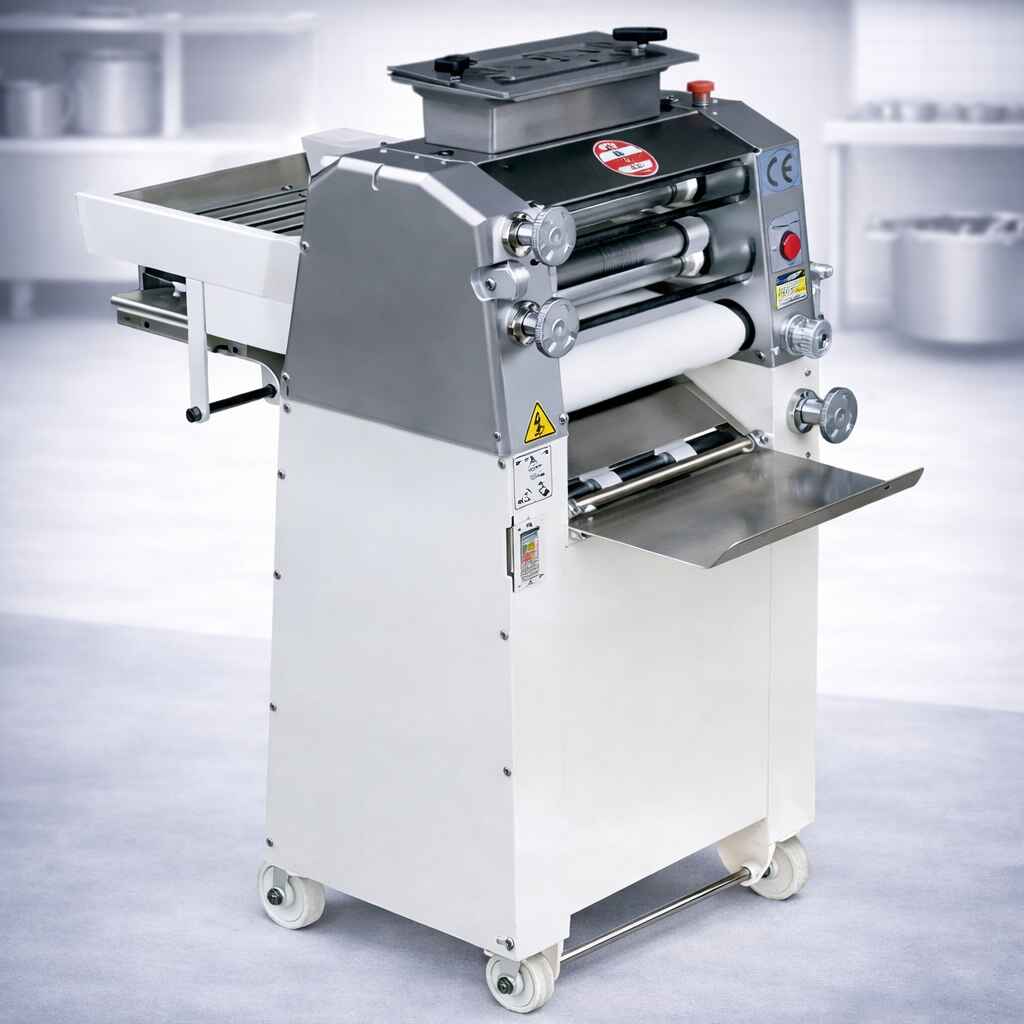
Dough Molder Machine
In today’s fast-paced food industry, consistency, speed, and quality are the backbone of success. Bakeries, food production units, and commercial kitchens are constantly looking for ways to increase efficiency without compromising on the freshness and softness of their baked goods. This is where the modern Dough Molder Machine becomes an indispensable solution. Designed with precision, these machines automate the process of shaping dough into uniform loaves, rolls, and specialty bread. With advanced engineering, durable construction, and user-friendly features, this machine ensures flawless results every single time.
From artisan bakeries to large-scale food factories, the dough molder machine has revolutionized how bread and baked products are prepared. It eliminates manual labor-intensive work while maintaining the authenticity of hand-crafted bread. Let’s explore how this powerful equipment works, why it’s essential, and what makes it a must-have for every bakery business.
What is a Dough Molder Machine?
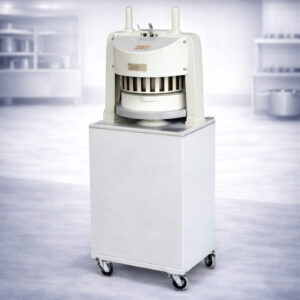
A dough molder machine is specialized bakery equipment used to shape, roll, and mold dough into precise forms. Once the dough has gone through the mixing and fermentation stages, it needs to be shaped into its final form before baking. Traditionally, this required skilled bakers to manually roll and mold each piece of dough, which consumed time and demanded great expertise.
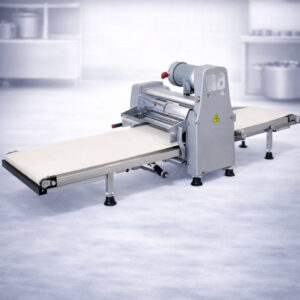
The dough molder machine automates this process by using adjustable rollers and conveyor belts to shape dough consistently. Whether you’re producing loaves, buns, or baguettes, the machine ensures identical size, smooth texture, and a professional finish.
Why Every Bakery Needs This Machine
Enhanced Consistency
One of the biggest challenges for bakeries is maintaining consistency across batches. Customers expect the same quality loaf or roll every time they buy. This machine ensures uniform thickness, size, and shape, meeting both consumer expectations and professional standards.
Time-Saving Efficiency
Shaping dough manually is labor-intensive. With automation, bakeries can cut production time by up to 60%, allowing staff to focus on other critical areas like creativity, packaging, or customer service.
Hygiene and Safety
Food safety regulations are strict, and rightly so. A dough molder machine is built with food-grade stainless steel, smooth surfaces, and easy-to-clean parts, making it hygienic and safe for continuous use in professional environments.
Versatility in Production
From soft rolls to artisan baguettes, this equipment can handle multiple dough types. Adjustable rollers and settings allow bakeries to experiment with different shapes and sizes without investing in multiple machines.
Key Features of a Dough Molder Machine
High-Quality Rollers
The rollers are the heart of the machine. Made from non-stick, food-safe materials, they shape dough evenly without tearing or sticking.
Adjustable Settings
Thickness, length, and shape can be adjusted with simple controls, allowing bakers to fine-tune the results to suit different recipes.
Powerful Motor
A durable, energy-efficient motor powers the machine, ensuring smooth and consistent operation, even in heavy-duty production.
Safety Mechanisms
Modern machines are equipped with emergency stop buttons, safety guards, and overload protection to ensure worker safety.
Compact and Durable Design
Despite its high capacity, the machine is compact and space-efficient, ideal for bakeries with limited floor space. Built from stainless steel, it withstands years of heavy use without corrosion.
Applications of Dough Molder Machines
Commercial Bakeries
Large bakeries producing thousands of loaves daily rely heavily on this machine to maintain uniformity and meet production demands.
Hotels and Restaurants
High-end hotels and restaurants use it for specialty bread that requires consistent presentation and professional appeal.
Industrial Food Processing Units
Factories manufacturing packaged bread and buns use industrial-grade dough molders for mass production.
Artisan Bakeries
Even small artisan bakeries benefit, as the machine ensures consistent quality while reducing manual labor, allowing bakers to focus on creativity.
Advantages Over Manual Shaping
Speed and Productivity
What might take a team of bakers hours to accomplish can be done within minutes with a dough molder machine.
Uniformity and Precision
Each piece of dough is shaped to perfection, removing human error and guaranteeing professional results.
Labor Cost Reduction
By automating shaping tasks, bakeries save on manpower costs and reduce the strain on employees.
Enhanced Product Quality
Consistent shaping improves baking results, ensuring even cooking and better texture in the final product.
How It Works
-
Dough Feeding – The prepared dough is placed onto the feeding conveyor.
-
Initial Flattening – The rollers gently press the dough to the desired thickness.
-
Shaping & Rolling – The dough passes through molding belts where it is shaped into loaves or rolls.
-
Output – The shaped dough emerges, ready for proofing and baking.
The process is quick, seamless, and requires minimal manual intervention.
Choosing the Right Dough Molder Machine
Capacity
Choose a machine that matches your bakery’s production volume. Small bakeries may need compact versions, while factories require heavy-duty models.
Adjustability
Ensure the machine has adjustable rollers and belts to handle various dough types and sizes.
Build Quality
Opt for stainless steel construction to guarantee durability, hygiene, and resistance to wear.
Ease of Cleaning
Quick disassembly and smooth surfaces make cleaning simple, which is crucial for hygiene compliance.
Energy Efficiency
Machines with efficient motors consume less power, reducing operating costs over time.
Maintenance Tips for Long Life
-
Regular Cleaning – Wipe down surfaces after each use to prevent dough build-up.
-
Lubrication – Keep moving parts lubricated for smooth operation.
-
Inspection – Regularly check belts, rollers, and motors for wear and tear.
-
Follow Manufacturer Guidelines – Adhering to maintenance schedules enhances performance and longevity.
Why It’s a Game-Changer for Modern Bakeries
In a world where time, consistency, and presentation matter more than ever, the dough molder machine is a revolutionary step forward. It enables businesses to scale production, maintain quality, and stay ahead of the competition. Whether you run a small bakery in your neighborhood or manage a large-scale bread factory, this equipment transforms your production process into one that is efficient, reliable, and profitable.
Final Thoughts
The bakery industry thrives on perfection—perfectly shaped loaves, evenly baked rolls, and consistently soft bread. Achieving this manually is both time-consuming and difficult. The Dough Molder Machine bridges the gap by delivering consistency, speed, and high-quality results with minimal effort. By investing in this machine, bakeries not only save time and reduce costs but also elevate their brand with professional, uniform products that delight customers.
From its versatile features to its long-term benefits, the dough molder machine proves to be more than just equipment—it is a catalyst for growth, quality, and innovation in the bakery industry.
Reviews
There are no reviews yet.