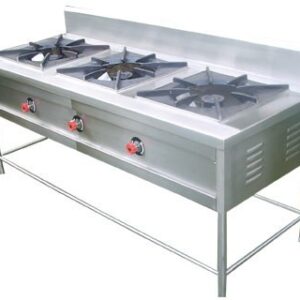
A Pressure Cooker is one of the most versatile and essential appliances in modern kitchens. From restaurants and hotels to catering services and large-scale food processing units, pressure cookers allow rapid and efficient cooking while preserving flavor, texture, and nutrients. In particular, gas and electric pasta cookers have revolutionized the way pasta is prepared in commercial kitchens, providing speed, consistency, and operational efficiency.
A pasta cooker designed as a pressure cooker allows chefs and kitchen operators to cook pasta perfectly every time. It ensures optimal hydration, texture, and cooking speed, making it an indispensable tool for professional kitchens. Whether it’s spaghetti, penne, fusilli, or other varieties, a high-quality pressure cooker guarantees restaurant-grade results with minimal effort.
A pressure cooker pasta cooker is a specialized appliance designed to cook pasta under controlled temperature and pressure conditions. The appliance accelerates the cooking process by increasing the boiling point of water, allowing pasta to cook faster while retaining its firmness and nutritional content.
Available in gas-operated and electric versions, these cookers provide flexibility to suit different kitchen environments. Gas pasta cookers offer rapid heating and mobility, while electric versions provide precise temperature control and energy efficiency. Both types are engineered for commercial and industrial use, capable of handling high volumes of pasta with ease.
Using a pressure cooker for pasta preparation provides multiple advantages:
Time Efficiency – Reduces cooking time significantly, ideal for high-volume kitchens.
Consistent Quality – Ensures evenly cooked pasta with perfect texture.
Nutrient Preservation – Retains essential nutrients and natural flavors of pasta.
Energy Efficiency – Optimized design consumes less fuel or electricity.
Versatility – Suitable for cooking different types of pasta, sauces, and even other foods like vegetables and grains.
Hygienic Operation – Minimal handling reduces contamination and improves food safety.
Modern pasta cookers with pressure cooking capabilities come with advanced features to enhance performance:
High-Quality Stainless Steel Body – Durable, corrosion-resistant, and easy to clean.
Adjustable Pressure & Temperature Settings – Ensures precise control for consistent cooking.
Rapid Heating Elements or Gas Burners – Provides fast, uniform heat for efficient cooking.
Large Capacity Baskets – Allows bulk cooking without compromising quality.
Safety Mechanisms – Pressure release valves, auto-shutoff, and temperature sensors ensure safe operation.
User-Friendly Interface – Easy-to-use digital or manual controls.
Energy-Efficient Design – Reduces operational costs for commercial kitchens.
Pressure cooker pasta cookers are highly versatile and suitable for:
Restaurants & Hotels – Prepare high-quality pasta dishes efficiently.
Catering Services – Cook large quantities of pasta for events, weddings, and banquets.
Food Processing Units – Batch cooking for packaged or frozen pasta products.
Institutional Kitchens – Schools, colleges, and corporate cafeterias benefit from rapid and consistent pasta preparation.
Food Trucks & Mobile Kitchens – Gas-operated units provide mobility and rapid cooking on the go.
The operation of a pressure cooker pasta cooker is straightforward yet highly effective:
Water Filling – The cooker is filled with the required amount of water.
Pressure Sealing – The lid is securely closed, forming a sealed environment.
Steam Generation – Water boils under high pressure, raising the boiling point.
Pasta Cooking – Steam and high pressure cook the pasta evenly and quickly.
Pressure Release & Serving – After cooking, pressure is safely released, and pasta is ready to serve.
This method ensures that pasta cooks uniformly, remains al dente, and retains its nutritional value.
The durability and performance of a pressure cooker pasta cooker depend on high-quality materials:
Stainless Steel Construction – Resists corrosion, ensures hygiene, and prolongs lifespan.
High-Quality Seals & Gaskets – Prevent steam leakage and maintain consistent pressure.
Durable Heating Elements – Gas burners or electric coils designed for long-term efficiency.
Food-Grade Cooking Chamber – Ensures safe contact with food.
Pressure & Temperature Sensors – Maintain cooking safety and precision.
Proper maintenance ensures reliable performance and longevity:
Clean the interior and exterior surfaces regularly to avoid residue buildup.
Inspect gaskets, seals, and valves periodically for wear or damage.
Use appropriate cleaning solutions that do not damage stainless steel.
Check electrical connections or gas lines for safety and efficiency.
Store in a dry, ventilated space to prevent corrosion and malfunction.
Pressure cooker pasta cookers offer unmatched benefits for high-volume kitchens:
High Output Efficiency – Cook large quantities of pasta quickly and reliably.
Consistency in Quality – Each batch meets professional standards.
Time Savings – Reduces cooking time, allowing chefs to focus on other tasks.
Energy Optimization – Efficient design lowers fuel or electricity usage.
Hygienic & Safe Cooking – Minimizes manual handling, ensuring food safety.
Restaurants and catering services can gain significant advantages:
Improved Customer Satisfaction – Serve perfectly cooked pasta consistently.
Faster Service – Rapid cooking speeds up kitchen operations.
Menu Diversification – Cook different types of pasta, sauces, and other pressure-cooked items.
Labor Savings – Reduces dependency on manual cooking and monitoring.
Operational Reliability – Ensures steady production during peak hours.
Pressure cooker pasta cookers are designed to save energy and costs:
Reduced Cooking Time – Pressure accelerates the cooking process.
Optimized Heat Usage – Even distribution ensures no energy is wasted.
Lower Operational Costs – Less fuel or electricity is required for high-volume cooking.
Durable Design – Reduces maintenance and replacement costs.
Sustainable Operation – Environmentally friendly cooking option with minimized resource usage.
Recent technological advancements have improved efficiency and usability:
Digital Temperature & Pressure Control – Ensures precise cooking results.
Automated Timers – Reduces risk of overcooking.
High-Capacity Baskets – Enables batch cooking for large-scale operations.
Dual-Fuel Options – Operate on gas, electricity, or hybrid models for flexibility.
Safety Enhancements – Automatic pressure release, flame sensors, and overheating protection.
When selecting the ideal machine, consider:
Capacity – Match the cooker’s volume to your daily production needs.
Energy Source – Decide between gas, electric, or dual-fuel based on kitchen setup.
Temperature & Pressure Controls – Ensure precision for different pasta types.
Safety Features – Pressure release valves, auto-shutoff, and alarms are critical.
Maintenance & Cleaning – Look for accessible and easy-to-clean components.
Budget Considerations – Balance investment with operational efficiency and long-term savings.
For food entrepreneurs, pressure cooker pasta cookers offer several business advantages:
High Productivity – Prepare pasta quickly for restaurants, food trucks, or catering services.
Consistency – Uniform quality builds customer trust and loyalty.
Operational Efficiency – Reduces cooking time and labor dependency.
Menu Flexibility – Ability to prepare multiple pasta varieties and other dishes.
Cost-Effective Operations – Lower energy usage and reduced labor costs increase profitability.
Industrial kitchens and institutions benefit from pressure cooker pasta cookers through:
High-Volume Cooking – Serve hundreds of portions efficiently.
Uniform Quality – Ensures every serving meets professional standards.
Reduced Labor – Less manual intervention needed during cooking.
Energy and Time Savings – Faster cooking reduces operational costs.
Safety & Hygiene – Minimizes human handling and contamination risks.
The future of commercial pasta cookers focuses on smart, energy-efficient, and automated solutions:
AI-Assisted Cooking – Automatically adjusts pressure and time for optimal results.
IoT Connectivity – Remote monitoring and control for commercial operations.
Energy-Saving Designs – Efficient systems minimize electricity or fuel consumption.
Compact & Modular Systems – Space-saving designs suitable for medium-sized kitchens.
Durable & Eco-Friendly Materials – Stainless steel and food-grade components for longevity and sustainability.
A Pressure Cooker pasta cooker is a transformative appliance that combines speed, efficiency, and culinary precision. It allows professional kitchens, catering services, and industrial operations to cook pasta quickly while maintaining texture, flavor, and nutritional value.
Investing in a pressure cooker pasta cooker enhances kitchen productivity, ensures consistent quality, saves energy, and promotes hygienic and safe cooking. Whether for high-volume restaurants, catering services, or industrial kitchens, it is an essential tool for modern culinary excellence.
With advanced controls, durable construction, and innovative features, this appliance guarantees restaurant-quality pasta every time, helping businesses achieve operational efficiency, customer satisfaction, and sustainable growth.