
Description
Co-Axial Fan – Advanced Airflow Solution for Modern Ventilation
Efficient air circulation is at the heart of comfort, safety, and industrial performance. Among the most reliable technologies designed for smooth airflow is the Co-Axial Fan. Known for its durability, compact design, and high efficiency, this fan type has become a trusted choice in commercial, industrial, and residential applications.
A Co-Axial Fan is engineered to deliver powerful air movement with minimal resistance, ensuring steady ventilation even under demanding conditions. From cooling large machinery to enhancing indoor air quality, these fans provide unmatched performance in every environment.
What is a Co-Axial Fan?
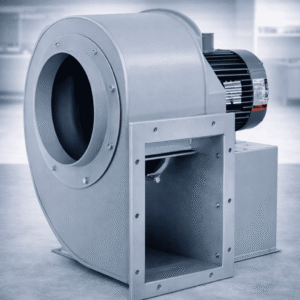
A Co-Axial Fan, often referred to as an inline or axial-flow fan, is a mechanical device that moves air along the axis of rotation. Unlike centrifugal blowers that expel air at a right angle, a Co-Axial Fan propels air in a straight path, making it efficient for spaces that require direct airflow with minimal energy use.
Its streamlined design and ability to handle large volumes of air with low noise make it a preferred solution in HVAC systems, tunnels, factories, and even residential buildings.
Key Components of a Co-Axial Fan
Behind the efficiency of every Co-Axial Fan are carefully engineered components.
Fan Blades
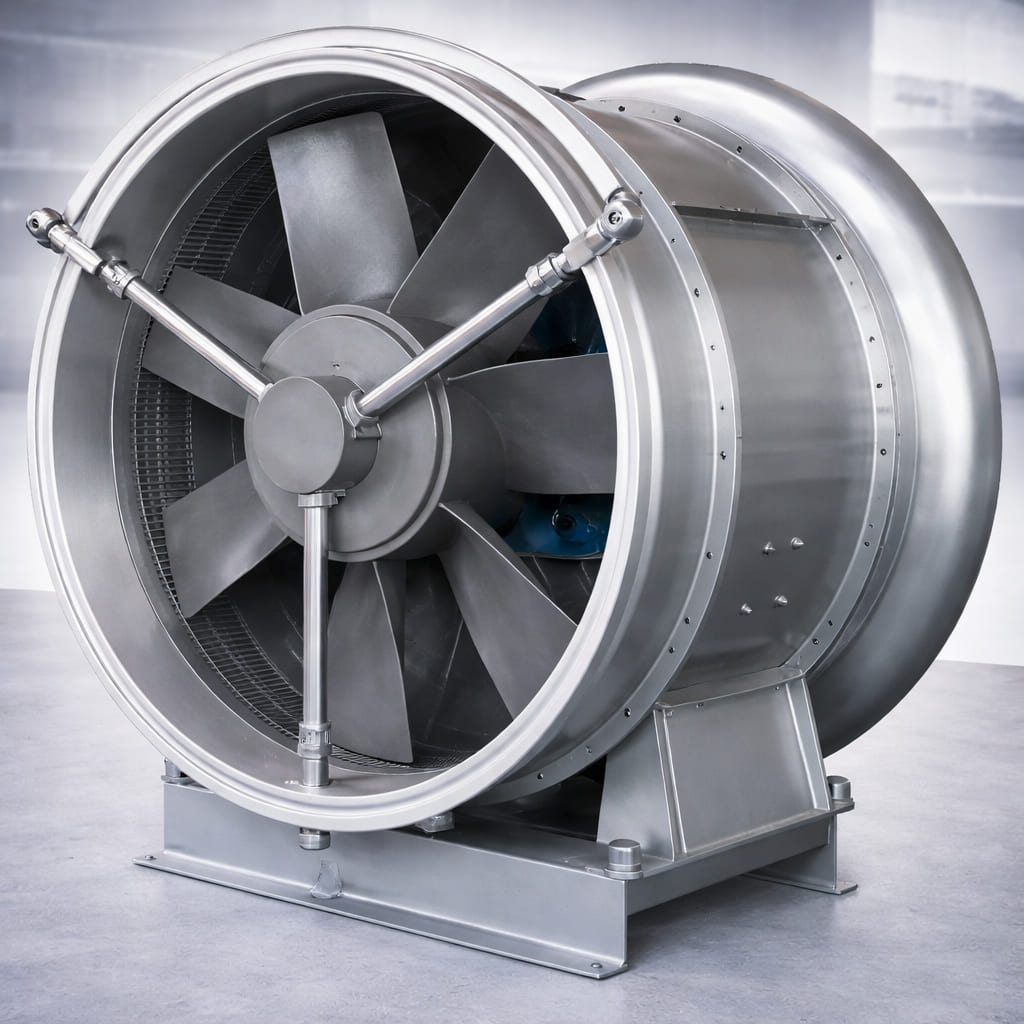
Specially designed aerodynamic blades create smooth airflow while minimizing turbulence and noise.
Motor
A high-performance motor powers the fan, delivering consistent operation with energy-saving technology.
Housing
The cylindrical housing directs the airflow efficiently, reducing losses and enhancing pressure stability.
Mounting Frame
Sturdy frames allow secure installation on walls, ceilings, ducts, or pipelines.
Protective Grills
Grills ensure safety while maintaining unrestricted airflow.
Types of Co-Axial Fans
Different configurations are available to match specific needs.
Ducted Co-Axial Fans
These are mounted inside ducts to provide ventilation across long distances, commonly used in large buildings.
Wall-Mounted Co-Axial Fans
Installed on walls, they are ideal for direct air exchange between indoor and outdoor spaces.
Portable Co-Axial Fans
Compact, mobile fans designed for spot cooling or temporary ventilation needs.
Industrial Co-Axial Fans
Heavy-duty versions used in factories, warehouses, and workshops for large-scale air circulation.
Explosion-Proof Co-Axial Fans
Designed for hazardous environments, these fans prevent ignition in areas with flammable gases or dust.
Applications of Axial Fans
The versatility of a Co-Axial Fan makes it invaluable across industries.
HVAC Systems
They ensure proper air distribution in heating, ventilation, and cooling setups.
Industrial Ventilation
Factories use them to remove fumes, dust, and excess heat, ensuring safe working environments.
Tunnels and Underground Facilities
In tunnels and basements, they provide fresh air circulation and remove harmful gases.
Kitchens and Restaurants
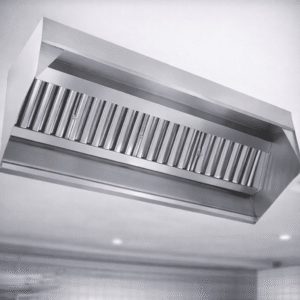
Commercial kitchens use Co-Axial Fans to extract smoke, odors, and excess heat efficiently.
Greenhouses
These fans help regulate temperature and humidity, ensuring healthier plant growth.
Advantages of a Axial Fan
The benefits of a Co-Axial Fan are powerful and far-reaching.
High Efficiency
They move large volumes of air with minimal energy consumption.
Compact Design
Their streamlined cylindrical build allows easy installation in tight spaces.
Quiet Operation
Modern blade designs and motor technology ensure low noise levels.
Durability
Built with high-quality materials, these fans withstand continuous operation.
Versatility
They adapt easily to residential, commercial, and industrial applications.
Cost-Effective
Energy savings and long lifespan make them economical in the long run.
How Does a Axial Fan Work?
The working principle of a Co-Axial Fan is simple yet effective. Air enters through the fan inlet and is guided by the blades rotating along the central axis. The blades impart energy to the air, pushing it in a straight line through the outlet.
This direct airflow mechanism minimizes resistance, making the fan ideal for applications requiring high-volume air movement with lower pressure requirements.
Modern Innovations in Axial Fans
Advancements in technology have made Co-Axial Fans smarter and more efficient than ever.
Variable Speed Controls
These allow users to adjust airflow according to real-time needs, saving energy.
Noise-Reduction Engineering
Innovative blade profiles and acoustic housing make fans quieter without sacrificing performance.
Smart Monitoring Systems
IoT-enabled fans provide data on airflow, energy use, and predictive maintenance.
Eco-Friendly Designs
Manufacturers are focusing on recyclable materials and energy-efficient motors to reduce environmental impact.
Maintenance and Care of Axial Fans
To keep a Co-Axial Fan performing at its best, regular maintenance is necessary.
Cleaning Fan Blades
Dust accumulation can reduce efficiency; blades should be cleaned periodically.
Motor Servicing
Motors must be inspected to ensure they operate without overheating or noise.
Lubrication
Bearings and moving parts should be lubricated to extend service life.
Grill and Housing Care
Protective grills and housings should be cleaned to prevent airflow blockages.
Electrical Checks
Wiring and controls should be tested regularly to ensure safe operation.
Choosing the Right Axial Fan
Selecting the best fan depends on usage and environment. Important factors include:
-
Airflow capacity (CFM)
-
Installation space and design compatibility
-
Noise tolerance levels
-
Energy efficiency rating
-
Safety requirements for hazardous environments
-
Budget and maintenance considerations
By evaluating these aspects, users can ensure they choose the most suitable fan for long-term efficiency.
Future of Axial Fans
The future of Co-Axial Fans lies in smart integration and sustainability. With growing demand for energy-efficient ventilation, future designs will focus on adaptive speed control, eco-friendly materials, and advanced monitoring systems.
Smart buildings and automated industries will integrate these fans into central management systems, ensuring optimized airflow with minimal human intervention.
Conclusion
A Co-Axial Fan is a powerful, efficient, and versatile ventilation solution designed to meet the demands of modern environments. From homes and commercial spaces to large-scale industries, these fans provide reliable airflow, improved air quality, and long-lasting durability.
With ongoing innovations in design, noise reduction, and energy efficiency, the Co-Axial Fan will continue to evolve as an essential part of sustainable ventilation systems. Investing in a high-quality fan ensures healthier air, better comfort, and enhanced productivity for years to come.
Reviews
There are no reviews yet.