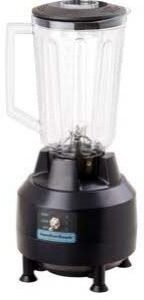
A Bar Mixer is more than just a piece of equipment; it is the heartbeat of modern bars, restaurants, and beverage counters. From crafting creamy milkshakes to blending frozen cocktails and mixing smoothies, this powerful machine transforms raw ingredients into perfectly blended drinks that delight customers. For professionals in the hospitality and beverage industry, investing in a high-quality bar mixer ensures consistency, speed, and versatility.
Below, we’ll dive deep into the world of bar mixers, exploring their features, benefits, applications, types, buying guide, and maintenance tips—all crafted to help you understand why this machine is essential for any professional beverage setup.
A bar mixer is an electric-powered blending device specifically designed for commercial and professional use. Unlike standard household blenders, a bar mixer is engineered for continuous operation, heavy workloads, and precise blending of liquids, fruits, ice, and other ingredients.
This machine is commonly used in cocktail bars, cafés, hotels, restaurants, and juice shops, where quick preparation of beverages is crucial.
Running a successful bar requires speed and consistency. Customers don’t want to wait long for their drinks, and they expect the same flavor and texture every time they order. A bar mixer helps bartenders and beverage professionals meet these demands by providing:
Efficiency: Mixes drinks within seconds.
Consistency: Same blend and taste in every serving.
Versatility: Handles cocktails, mocktails, milkshakes, smoothies, and more.
Durability: Built to handle high-volume use without breakdown.
When choosing a bar mixer, certain features stand out that distinguish it from household blenders:
High-Power Motor: Typically ranging from 300 to 1000 watts for quick blending.
Multiple Speed Settings: Allows bartenders to control texture and consistency.
Durable Blades: Stainless steel blades designed to crush ice and blend hard ingredients.
Large Capacity Jars: Usually between 1 to 2 liters to prepare multiple servings.
Ergonomic Design: Easy to operate with non-slip base and compact structure.
Bar mixers come in various designs and functionalities depending on the requirement:
Designed for high-volume establishments where blending is constant throughout the day.
Ideal for smaller bars or restaurants that don’t require multiple blending stations.
Allows bartenders to prepare two or more beverages simultaneously, saving time during peak hours.
Specially designed for cocktails and frozen beverages that involve ice crushing.
The bar mixer is a versatile tool used in various settings:
Cocktail Bars: Mixing margaritas, mojitos, daiquiris, and frozen cocktails.
Cafés: Preparing frappes, iced coffees, and milkshakes.
Restaurants: Blending sauces, gravies, and soups along with beverages.
Juice Counters: Making fresh fruit blends and smoothies.
Hotels: Catering to bulk beverage needs for events and buffets.
A bar mixer brings countless benefits to both professionals and customers:
Saves Time: Rapid preparation increases customer turnover.
Uniform Quality: Every serving tastes the same, boosting customer satisfaction.
Increases Menu Variety: Expands beverage options beyond standard drinks.
Professional Appeal: Enhances the reputation of a bar or café by serving quality beverages.
Cost-Efficiency: Reduces wastage by blending ingredients effectively.
Buying the perfect bar mixer requires attention to specific details:
Motor Power: Choose based on usage frequency. High-power mixers are ideal for heavy demand.
Jar Capacity: Consider your customer volume before deciding on size.
Speed Controls: Ensure multiple settings for varied drinks.
Durability: Opt for stainless steel blades and robust body.
Ease of Cleaning: Select mixers with detachable jars and dishwasher-safe parts.
Maintaining your bar mixer ensures long life and consistent performance:
Daily Cleaning: Wash jars and blades after every shift.
Avoid Overloading: Never exceed the jar’s maximum capacity.
Regular Servicing: Check motor and blades periodically.
Proper Storage: Store in a dry, clean area away from moisture.
Technology has revolutionized mixers with new features:
Noise Reduction Technology: Quieter operation in busy bars.
Touch-Screen Controls: User-friendly and stylish.
Programmable Settings: Pre-set options for popular drinks.
Energy Efficiency: Consumes less power while delivering high output.
While both may look similar, they differ significantly:
Durability: Bar mixers withstand continuous usage, unlike domestic blenders.
Speed: Commercial-grade motors work faster.
Capacity: Larger jars allow bulk preparation.
Consistency: More reliable blending in professional environments.
Always ensure the jar lid is tightly closed before blending.
Avoid putting hands or utensils inside the jar while operating.
Use the machine on a flat, stable surface.
Do not run the motor for extended periods without breaks.
In the hospitality industry, presentation and speed directly affect customer satisfaction. A mixer ensures quick, well-blended drinks that not only taste good but also look appealing. Smooth textures and rich flavors leave customers impressed, encouraging repeat business.
Prices vary depending on:
Motor power
Brand reputation
Features and speed settings
Jar capacity
Investing in a high-quality mixer often proves cost-effective in the long run due to its durability and efficiency.
Bar mixers are not limited to one region; they are used worldwide in:
American Bars: Known for frozen cocktails and smoothies.
European Cafés: For frappes and milk-based drinks.
Asian Juice Shops: For fresh fruit blends and shakes.
The beverage industry continues to evolve, and bar mixers are adapting to trends:
Smart Bar Mixers: IoT-enabled devices for monitoring performance.
Eco-Friendly Designs: Energy-efficient and recyclable materials.
Compact Models: Space-saving designs for modern setups.
For anyone serious about running a bar or café, a bar mixer is not optional—it is essential. Its ability to create consistent, delicious drinks in record time makes it a must-have tool for professionals.
A Bar Mixer is a cornerstone of efficiency, consistency, and innovation in the beverage industry. Whether it’s a bustling cocktail bar, a busy café, or a five-star hotel, this versatile machine ensures smooth operations, customer satisfaction, and profitability.
By understanding its features, applications, benefits, and maintenance practices, you can make an informed decision and elevate your beverage service to the next level.