
Description
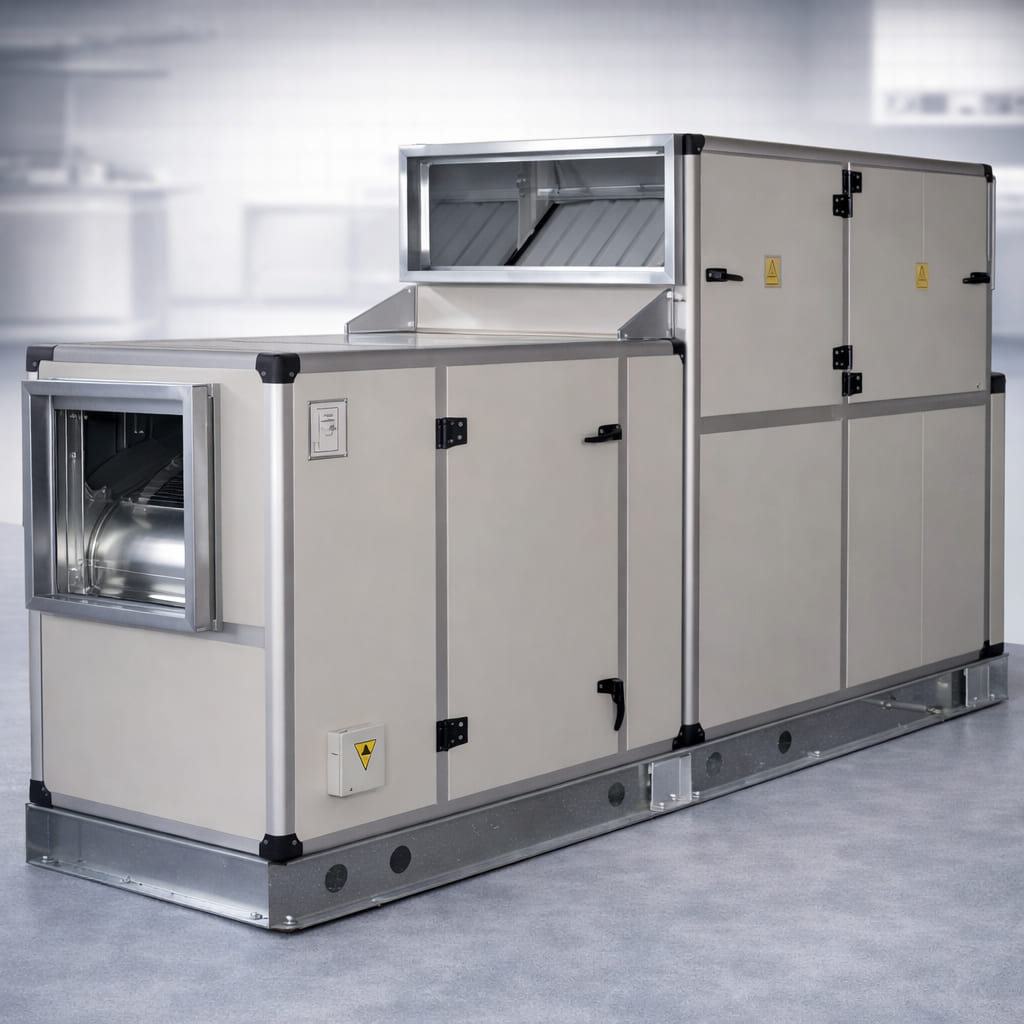
Air Handling Unit – Advanced Solution for Clean and Comfortable Airflow
When it comes to modern HVAC systems, the Air Handling Unit plays a vital role in ensuring fresh, clean, and temperature-controlled air for commercial, industrial, and residential spaces. An AHU is a central device that conditions, filters, and circulates air, making indoor environments healthier, more comfortable, and energy-efficient. With growing concerns about air quality, energy consumption, and building efficiency, the demand for high-performance air handling systems has reached new heights.
An Air Handling Unit is more than just a machine; it is the beating heart of any ventilation system, ensuring that people breathe cleaner air while maintaining consistent indoor comfort.
What is an Air Handling Unit?
An Air Handling Unit (commonly known as AHU) is a large, complex piece of HVAC equipment designed to regulate and circulate air. It consists of a series of powerful components such as fans, filters, coils, dampers, humidifiers, and control systems. These components work together to condition the air before it is supplied to indoor spaces.
The main function of an AHU is not just to provide airflow but also to improve indoor air quality by filtering out dust, allergens, and pollutants. Whether installed in office complexes, hospitals, malls, factories, or data centers, an AHU is essential for creating a safe, controlled, and comfortable environment.
Key Components of an Air Handling Unit
To truly understand how powerful and efficient an AHU is, it’s important to explore its core components:
Fans and Blowers
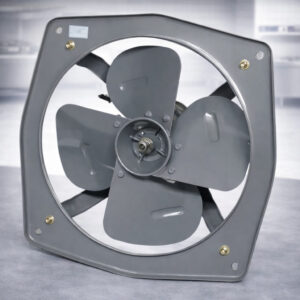
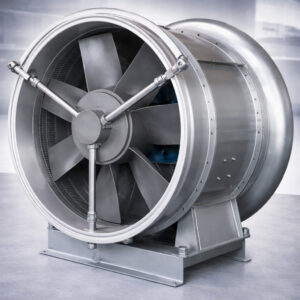
The fan is the powerhouse of the AHU. It draws in outside or return air and pushes it through filters and cooling/heating coils before distributing it throughout the building.
Filters
Filters are critical for removing contaminants, dust particles, and allergens. High-quality filters even trap microscopic bacteria, making the air healthier for occupants.
Heating and Cooling Coils
These coils regulate the air temperature. Cooling coils use chilled water or refrigerants, while heating coils use hot water, steam, or electricity.
Dampers
Dampers control the airflow direction and volume. They ensure fresh air intake and manage the balance between outside air and recirculated air.
Humidifiers and Dehumidifiers
Depending on the climate, humidifiers add moisture to dry air, while dehumidifiers remove excess humidity. This ensures a balanced and comfortable indoor atmosphere.
Control Systems
Modern AHUs are equipped with advanced digital controls and sensors to regulate temperature, humidity, and air pressure automatically.
Types of Air Handling Units
Different industries require different types of AHUs depending on their size, purpose, and installation requirements.
Modular Air Handling Unit
These are customizable units that can be designed to match the specific needs of large buildings such as malls and airports.
Rooftop Air Handling Unit
As the name suggests, rooftop AHUs are installed on the roof and are best for large commercial or industrial buildings with limited indoor space.
Packaged Air Handling Unit
Packaged AHUs are pre-assembled and compact, making them ideal for medium-sized buildings, offices, and healthcare facilities.
Double Skin Air Handling Unit
These AHUs have two layers of panels that provide better thermal insulation and reduce energy loss. They are commonly used in energy-efficient projects.
Single Skin Air Handling Unit
More economical than double-skin units, single-skin AHUs are suitable for small to medium applications with less stringent insulation requirements.
Applications of Air Handling Units
The use of AHUs is widespread across different sectors. They are essential for:
Commercial Buildings
Offices, malls, and educational institutions rely on AHUs for maintaining optimal indoor comfort and fresh air circulation.
Hospitals and Healthcare Facilities
In hospitals, AHUs are vital for ensuring sterile air free from contaminants and pathogens, safeguarding patients and staff.
Industrial Spaces
Factories, warehouses, and cleanrooms use AHUs to maintain controlled environments necessary for sensitive equipment and processes.
Data Centers
Temperature and humidity control is critical in data centers, and AHUs help in maintaining the right balance to protect servers and IT infrastructure.
Residential Complexes
High-rise residential projects also utilize AHUs to provide centralized comfort cooling and better air quality.
Advantages of Installing an Air Handling Unit
The benefits of a high-quality AHU are immense. Some of the most powerful advantages include:
Improved Air Quality
An AHU filters out dust, bacteria, and allergens, ensuring cleaner and healthier air.
Energy Efficiency
Modern AHUs are designed with energy-saving technologies like variable speed fans, high-efficiency motors, and intelligent controls.
Comfort and Climate Control
They maintain consistent indoor temperatures and humidity levels, creating a comfortable living and working environment.
Flexibility and Customization
AHUs can be designed to fit specific building requirements, whether for hospitals, offices, or manufacturing plants.
Noise Reduction
With advanced soundproofing and vibration control, AHUs operate quietly, minimizing disruption.
How Does an Air Handling Unit Work?
The working principle of an AHU is both sophisticated and efficient. First, outside air or recirculated indoor air enters the system. The air passes through filters where dust and contaminants are removed. It then moves through heating or cooling coils to adjust its temperature. Humidifiers or dehumidifiers further balance moisture levels. Finally, the conditioned air is distributed through ducts into various rooms and spaces.
At the same time, stale indoor air is extracted and replaced with fresh air. This constant cycle ensures the air inside remains fresh, clean, and comfortable at all times.
Latest Innovations in Air Handling Units
Technology has transformed the way AHUs function today. Some of the latest innovations include:
Smart Controls
IoT-enabled AHUs can be monitored and controlled remotely through mobile applications and building management systems.
Energy Recovery Systems
Advanced AHUs now integrate energy recovery ventilators (ERVs) that reuse energy from exhaust air to precondition incoming air, reducing operational costs.
Eco-Friendly Materials
Sustainable AHUs are being manufactured using recyclable materials and eco-friendly refrigerants.
HEPA and UV-C Filtration
For industries like healthcare and pharma, AHUs now come equipped with HEPA filters and UV-C light disinfection systems for ultra-clean air.
Maintenance and Care of Air Handling Units
For long-term efficiency, regular maintenance of AHUs is crucial.
Routine Filter Replacement
Filters should be cleaned or replaced periodically to prevent clogging and maintain air quality.
Coil Cleaning
Dust and dirt on coils can reduce efficiency, so they must be cleaned regularly.
Fan and Motor Checks
Lubricating and inspecting fans and motors helps reduce energy consumption and extends life span.
Control System Calibration
Regular calibration ensures that temperature and humidity sensors work accurately.
Choosing the Right Air Handling Unit
Selecting the perfect AHU depends on building size, purpose, and required air volume. Consulting HVAC experts can help in determining the correct capacity, type, and configuration. Factors like energy efficiency, noise levels, maintenance requirements, and cost must also be considered.
Future of Air Handling Units
The future of AHUs lies in smarter, greener, and more efficient technologies. With increasing emphasis on indoor air quality and sustainability, AHUs are evolving to provide healthier air while consuming less energy. Integration with smart building systems will make them even more advanced, providing real-time data and predictive maintenance.
Conclusion
An Air Handling Unit is not just a part of an HVAC system—it is the core of modern indoor comfort and air quality management. From hospitals to commercial buildings, from factories to residential towers, AHUs ensure that people breathe healthier air, stay comfortable, and work productively.
As technology advances, the future of AHUs looks even more promising, with intelligent controls, energy recovery, and sustainable designs leading the way. Investing in a high-quality Air Handling Unit is an investment in better health, comfort, and efficiency.
Reviews
There are no reviews yet.